New Delhi, India — Russian President Vladimir Putin arrived in New Delhi on Thursday evening for his first visit to India since Moscow’s invasion of Ukraine nearly four years ago. The visit comes as tensions between the United States and India over Russia’s war in Ukraine continue to rise.
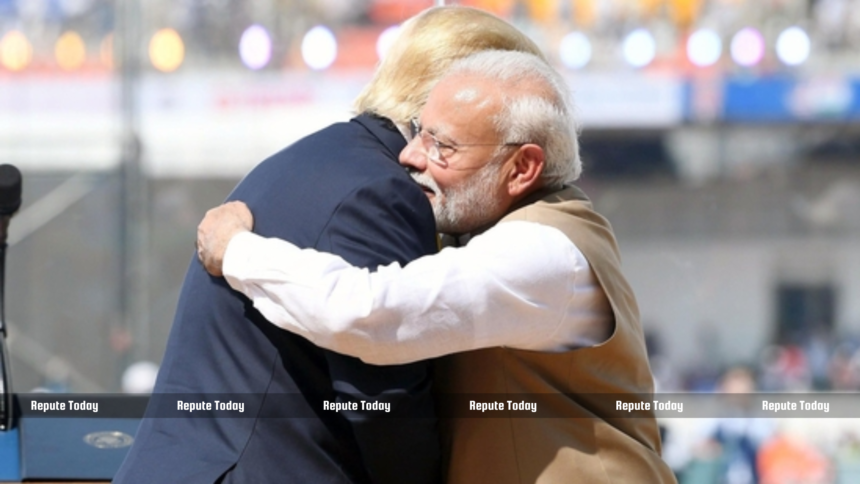
Indian Prime Minister Narendra Modi greeted Putin personally on the tarmac, marking a departure from usual protocol, before warmly embracing the Russian leader. Putin’s 30-hour trip includes meetings with Indian officials and business leaders, as well as visits to key landmarks such as Rashtrapati Bhavan and Raj Ghat.
During his stay, Putin is scheduled to hold discussions with Indian President Droupadi Murmu and participate in the India-Russia annual summit at Hyderabad House. The visit also features meetings with Indian business leaders and a delegation from Russian industry, including representatives from defense and energy sectors.
The Kremlin described the visit as an opportunity to strengthen Russia-India strategic ties, which have spanned over 25 years. However, the relationship faces pressure from the ongoing conflict in Ukraine and Western sanctions. Since 2000, India and Russia maintained regular annual summits, but these were disrupted in 2022 and 2023 due to Russia’s invasion and Putin’s limited international travel amid an International Criminal Court warrant.
Analysts anticipate Putin will seek to bolster defense cooperation, including missile and fighter jet sales, and expand trade in pharmaceuticals, machinery, and agriculture. He aims to demonstrate that Russia remains a global player despite international isolation, especially as India balances its historic ties with Moscow against growing pressure from the US.
Oil trade remains a critical aspect of the relationship. India became the second-largest importer of Russian crude after the invasion, increasing its imports significantly in 2022. However, US sanctions and diplomatic pressure have led Indian companies to reduce Russian oil purchases, with imports expected to decline to a three-year low.
Despite US efforts to sway India toward purchasing more American energy and defense products, India continues to navigate its strategic autonomy, balancing relations with both Moscow and Washington. Critics argue that US pressure and sanctions could undermine long-standing ties, with some pointing out perceived double standards in Washington’s approach.
Putin’s visit underscores India’s delicate balancing act amid shifting geopolitical currents, as both nations seek to reinforce their strategic partnership while managing external pressures.